
Science
Lecture
Series
Nuclear Nanotechnology: How Going Smaller Can Make Large Impacts in Nuclear Energy
Wednesday, Oct. 14, 7:00 pm – W153. Free. Or attend via Zoom.
With Liane Moreau, Department of Chemistry, Nuclear Energy Research Center, UW
Abstract:
Dr. Moreau’s group aims to understand what happens to the structural and electronic properties of the radioactive actinide elements as you make them very small in size, down to the atomic and nanometer length scales. The Moreau group both synthesizes the actinide particles that they study, as well as performs comprehensive characterization on these new systems to understand structure/property relationships.
Biosketch:
Dr. Liane Moreau is very excited to continue her independent career at the University of Wyoming and looks forward to growing the program into an internationally-renowned center for nuclear research.

Thickman Faculty Lecture Series
Mongolia: Half a World Away, or Right Next Door?
Wednesday, Sept. 23, 6:00 pm – W153. Free.
With Mae Smith, Sheridan College Director of Agriculture
- Exploring Mongolia’s unique wildlife, including the remarkable Przewalskis wild horse and conservation efforts
- Discovering the connections between Mongolian livestock grazing, land use, and the challenges faced by Wyoming ranchers.
- Experiencing Mongolia’s rich culture through it’s food, traditions, transportation, and everyday life.
- Taking a photographic journey through Hustai National Park and surrounding areas to discover what makes Mongolia truly unique.
Biography:
Mae Smith grew up in western Wyoming where her love for the outdoors and rangelands began. Raised by two natural resource professionals, along with experience in cattle ranching and native plant work, she knew rangeland management was her calling. She joined Sheridan College in 2017 and now enjoys helping students discover their own passion for rangelands – at home and around the world.
Past Lectures
-
Bureau of Land Management (BLM) Wild Horse and Burro Program
With Eddie Vandenberg, Bureau of Land Management Wild Horse and Burro Specialist, Rawlins Field Office
-
From Bench to Industry: The Role of Medical Science Liaison
With Will Robinson, Emeritus Biology Instructor at Casper College
-
Protecting Thailand’s Migrating Giant Honey Bees
With Will Robinson, Emeritus Biology Instructor at Casper College
-
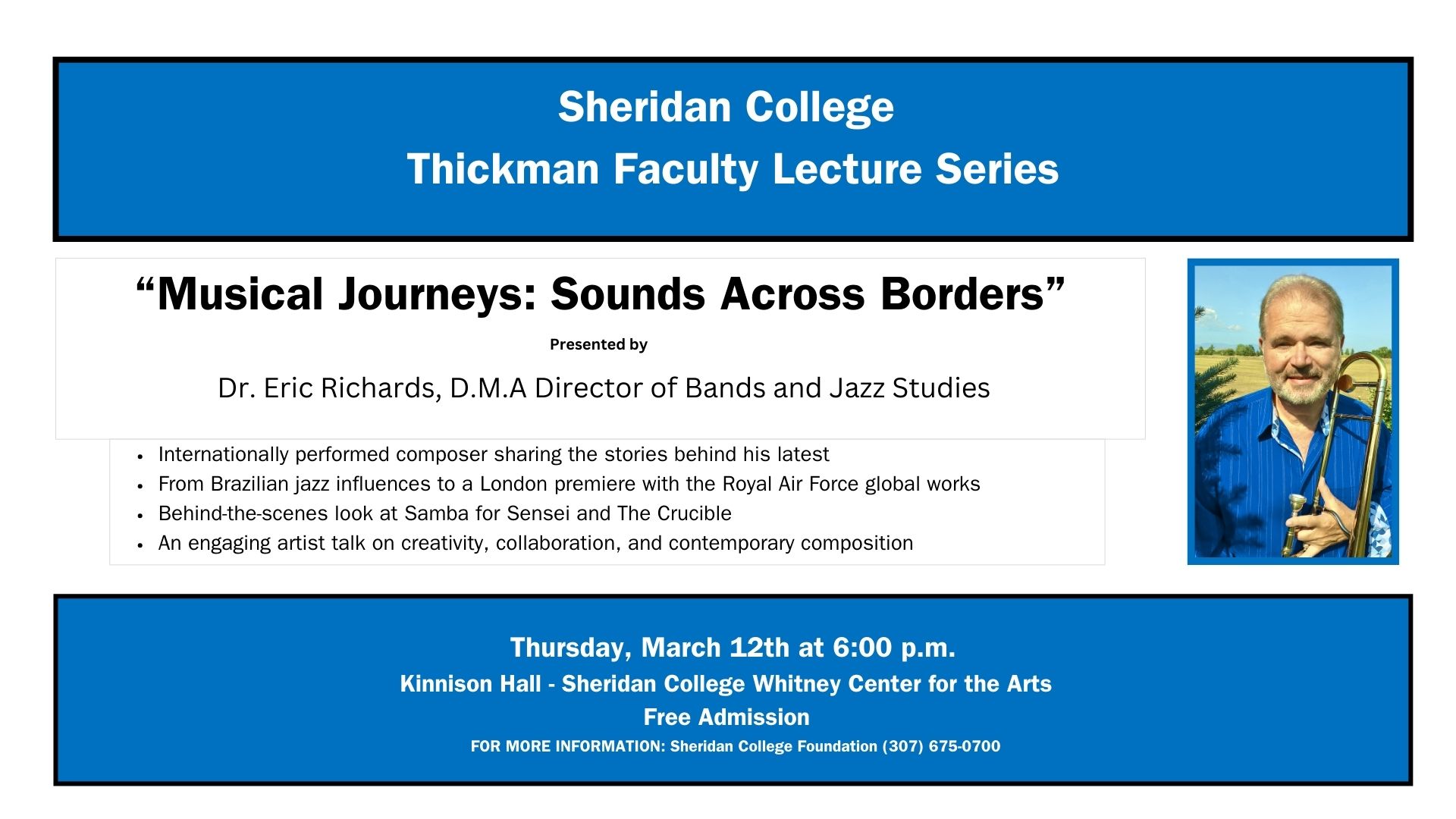
Thickman Faculty Lecture Series: Musical Journeys: Sounds Across Borders
With Dr. Eric Richards, Music Faculty
-
Science & Modern Eyecare
With Sam Hoffman, O.D., Optometrist, Sheridan Eyecare Center, Sheridan, WY
-
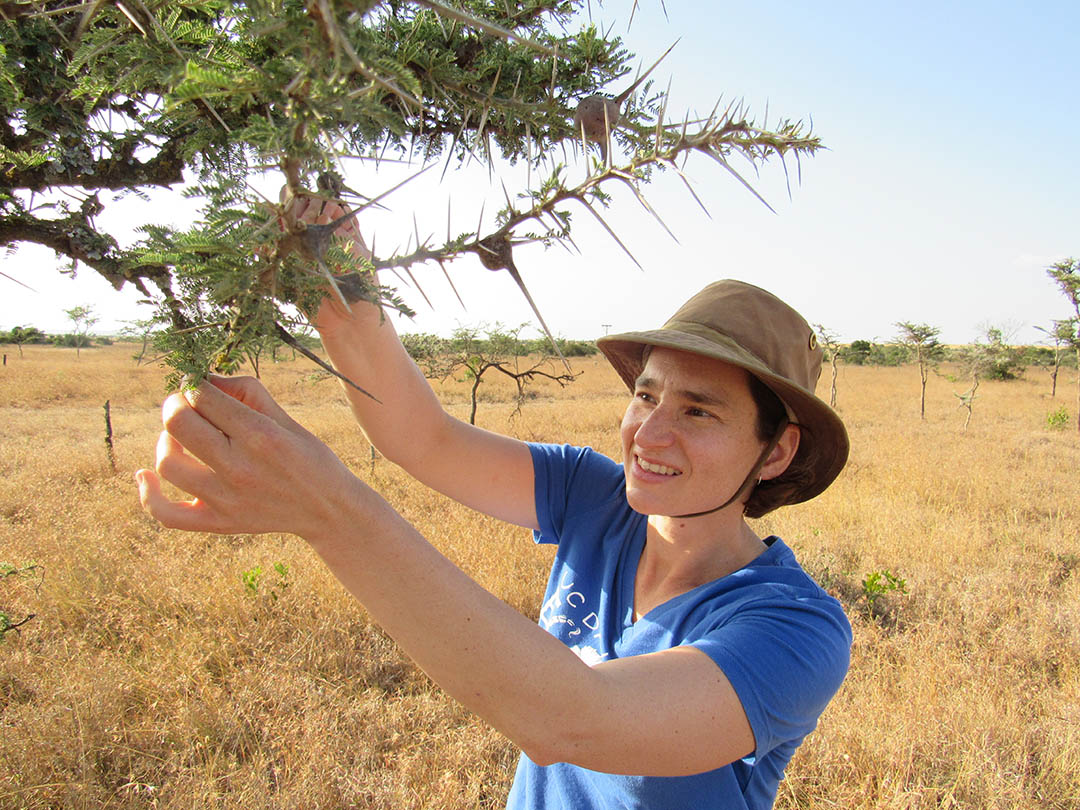
Game of Thorns: A tale of marauding ants, elephants, lions, deception and devastation in an African acacia savanna
With Corinna Riginos, Ph.D., Wyoming Director of Science, The Nature Conservancy
-
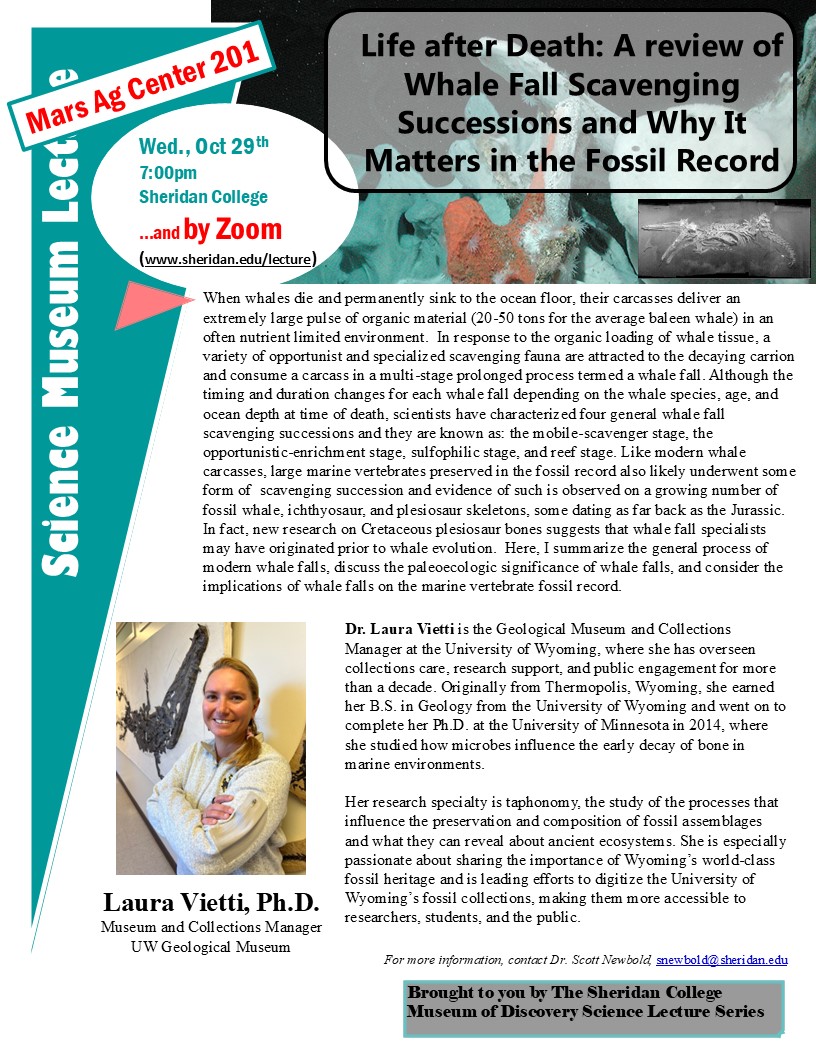
Life after Death: A review of Whale Fall Scavenging Successions and Why It Matters in the Fossil Record
With Laura Vietti, Ph.D., Museum and Collections Manager, UW Geological Museum
-
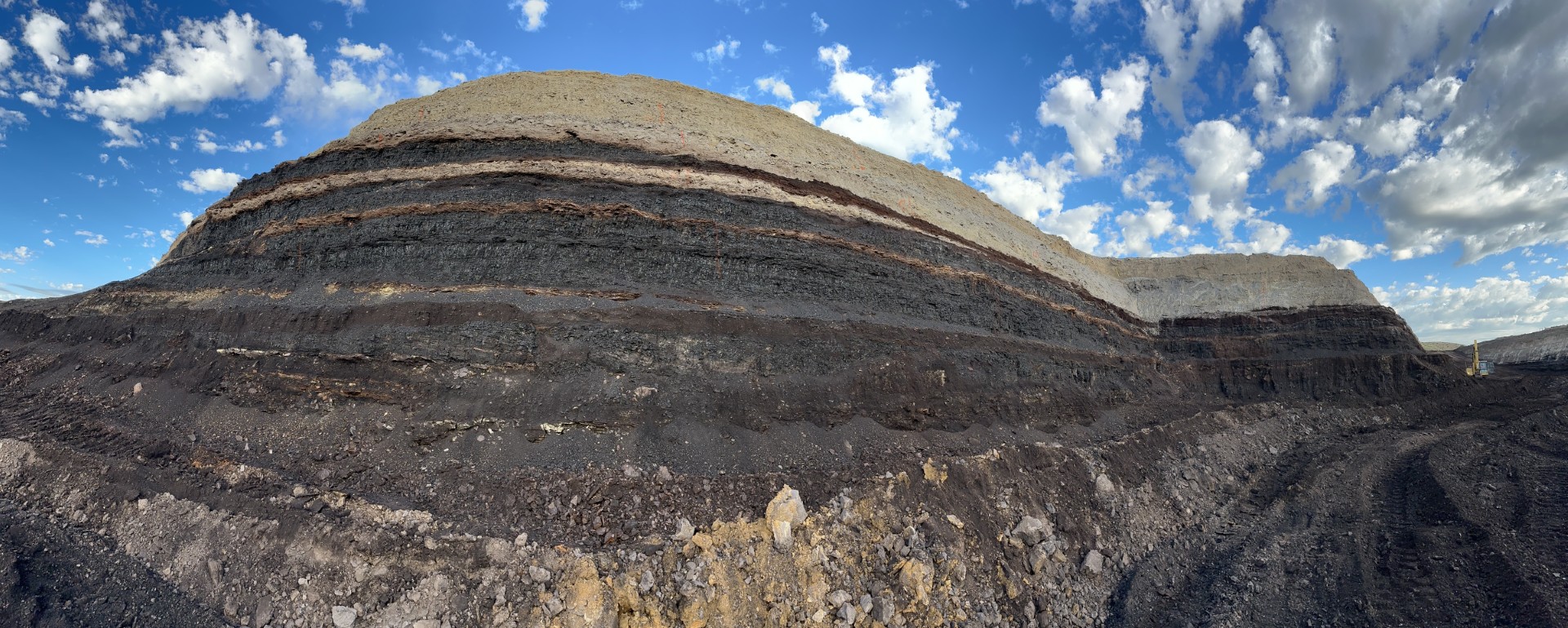
Critical Minerals and the Brook Deposit: Unlocking a New Source of Rare Earth Elements in Wyoming
With Alex Moyes, Ph.D., Director of Critical Minerals, Ramaco Resources, Sheridan, WY
-
Intellectual Property in Biomedical Sciences: An Overview of the Patent Process
With Dr. Patrick LaBreck, Director of Intellectual Property and GLD Partners, LP, Los Angeles, CA
-
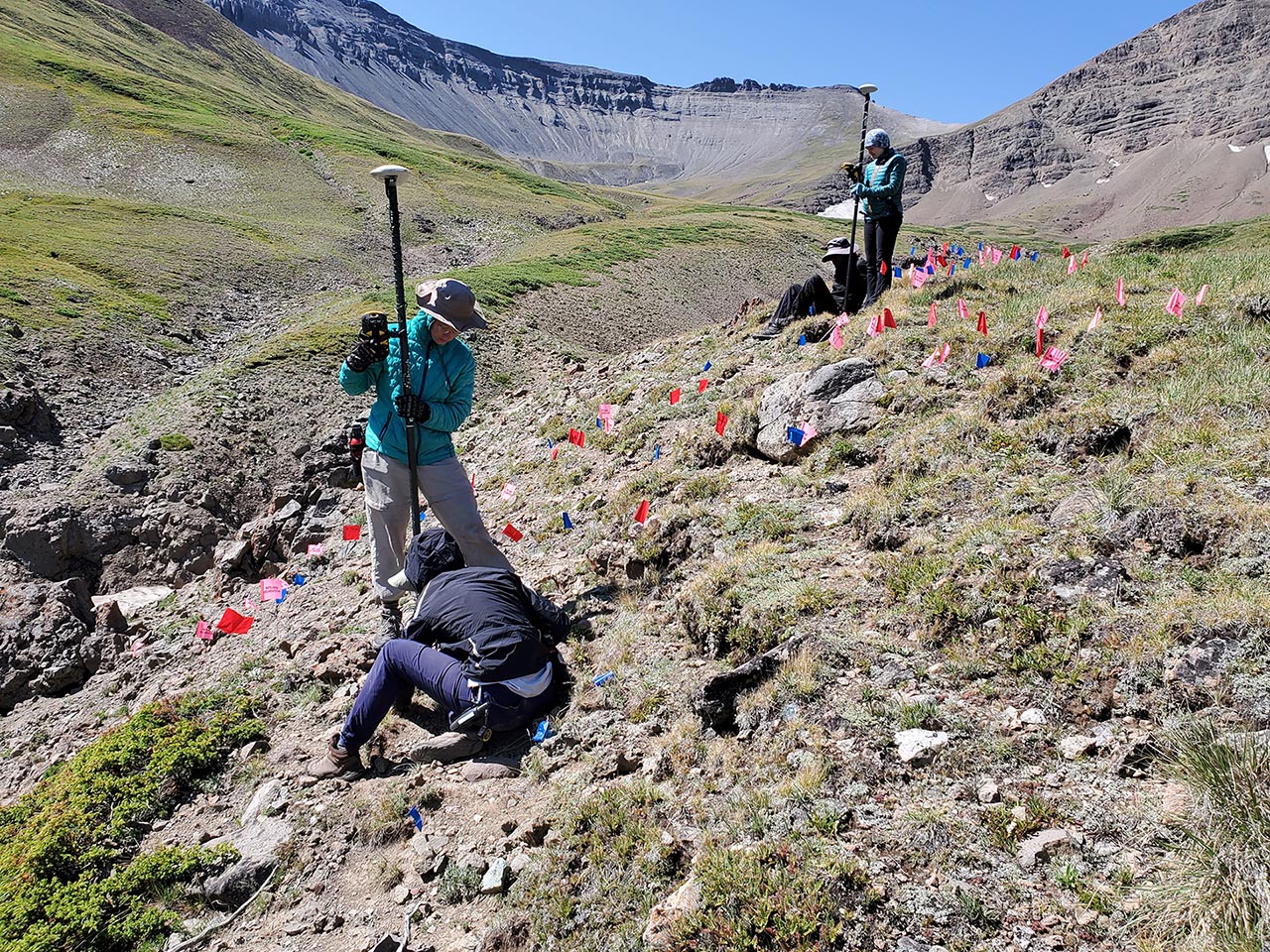
Archeology in Wyoming’s Wilderness: Exploring People, Landscapes, Time, and Connections in the Greater Yellowstone Ecosystem
With Larry Todd, Professor Emeritus of Anthropology Colorado State University & Adjunct Professor, UW.
-
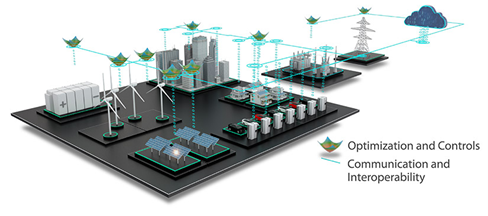
Forecasting the Future: How Technologies like Electric Vehicles & Solar PV Are Changing the Electric Grid
With Scott Robinson, Director, Guidehouse Owner, Sigma-2 Systems, Story, WY.
-
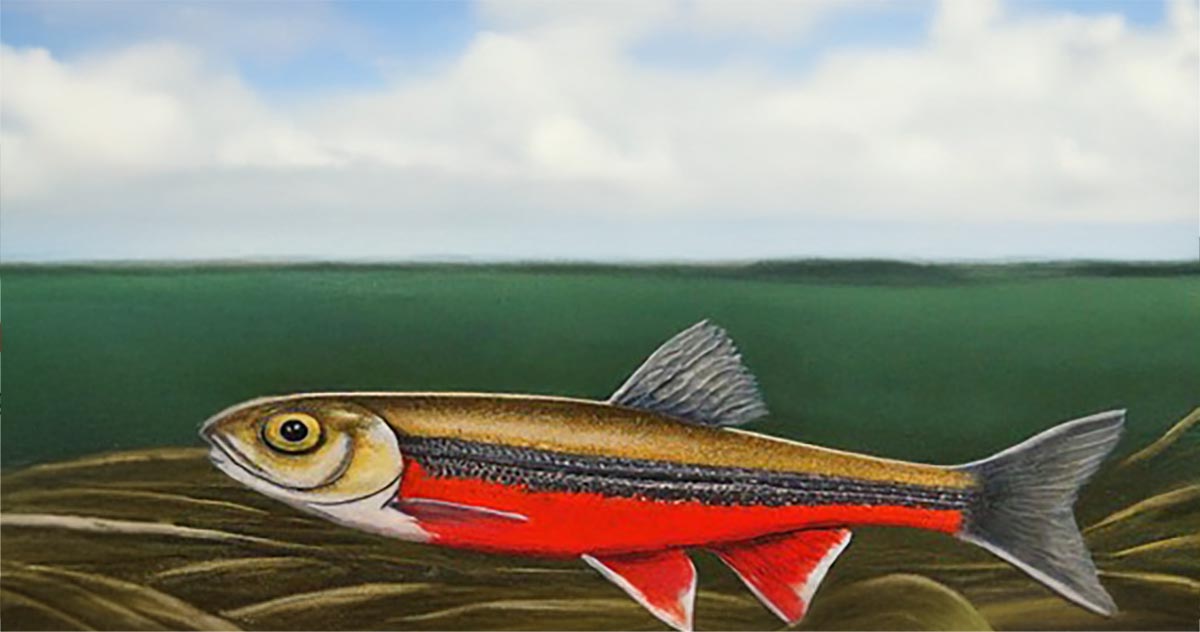
The Ice Age Legacy of Western Fishes: How One Rodent Can Turn Back the Clock on Climate Change
With Niall Clancy, Ph.D. Candidate, Wyoming Cooperative Fish & Wildlife Research Unit, University of Wyoming
-
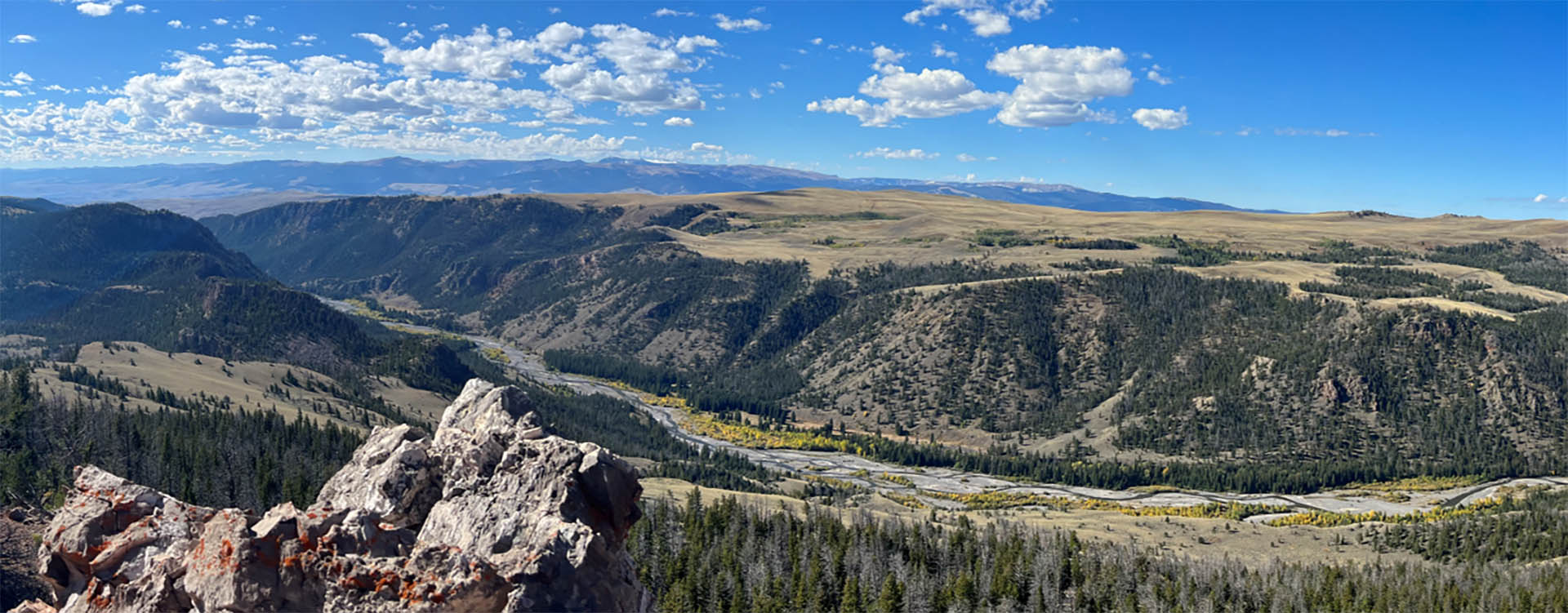
From Granitoids to Glaciers: An Introduction to Geology in Wyoming
With James Mauch, Geologist, Wyoming State Geological Survey
-
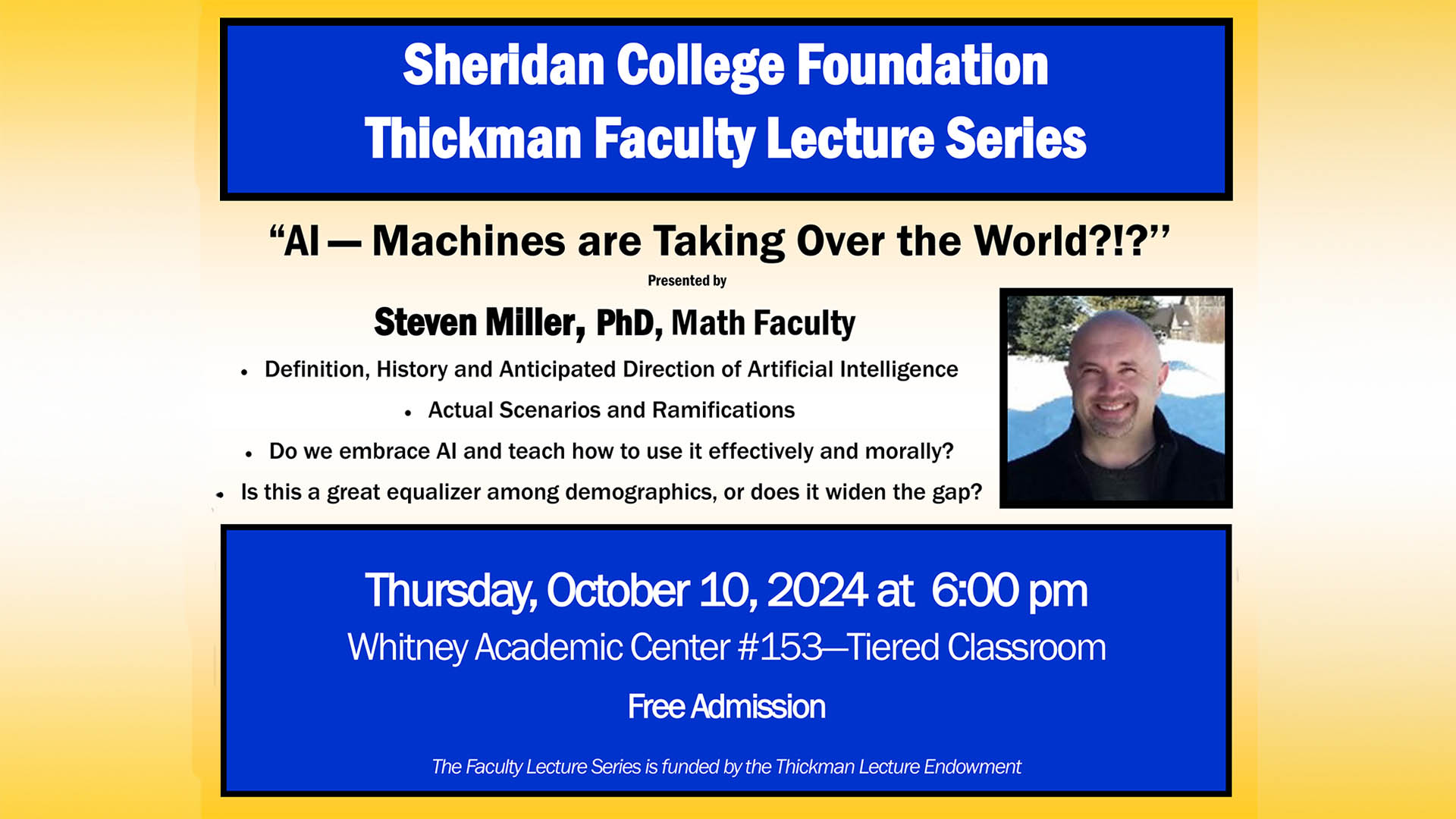
AI – Machines Are Taking Over the World?!?
With Steven Miller, PhD, Math Faculty
-
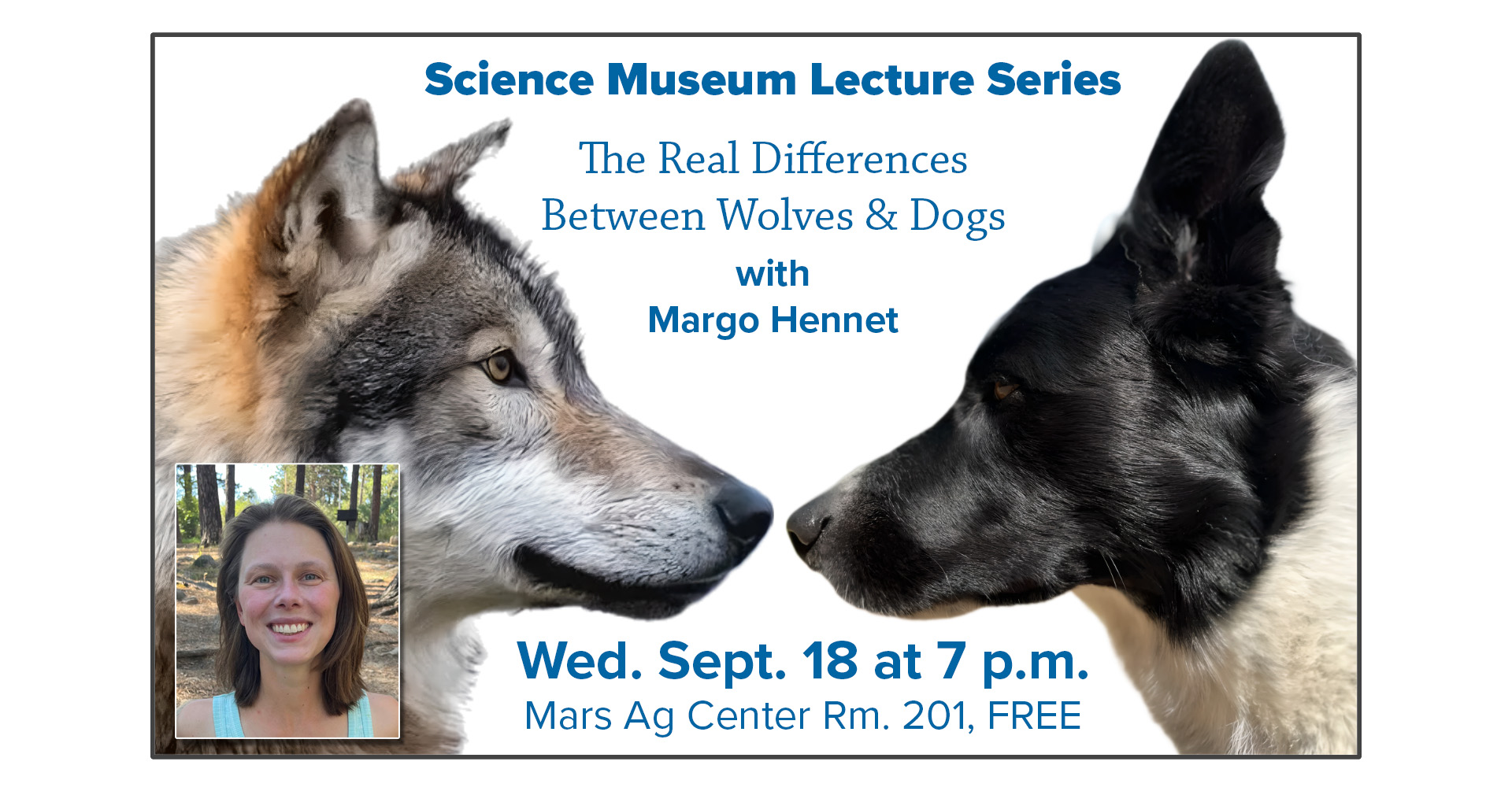
The Real Difference Between Wolves & Dogs
With Margo Hennet, Veterinarian, Story, WY
-
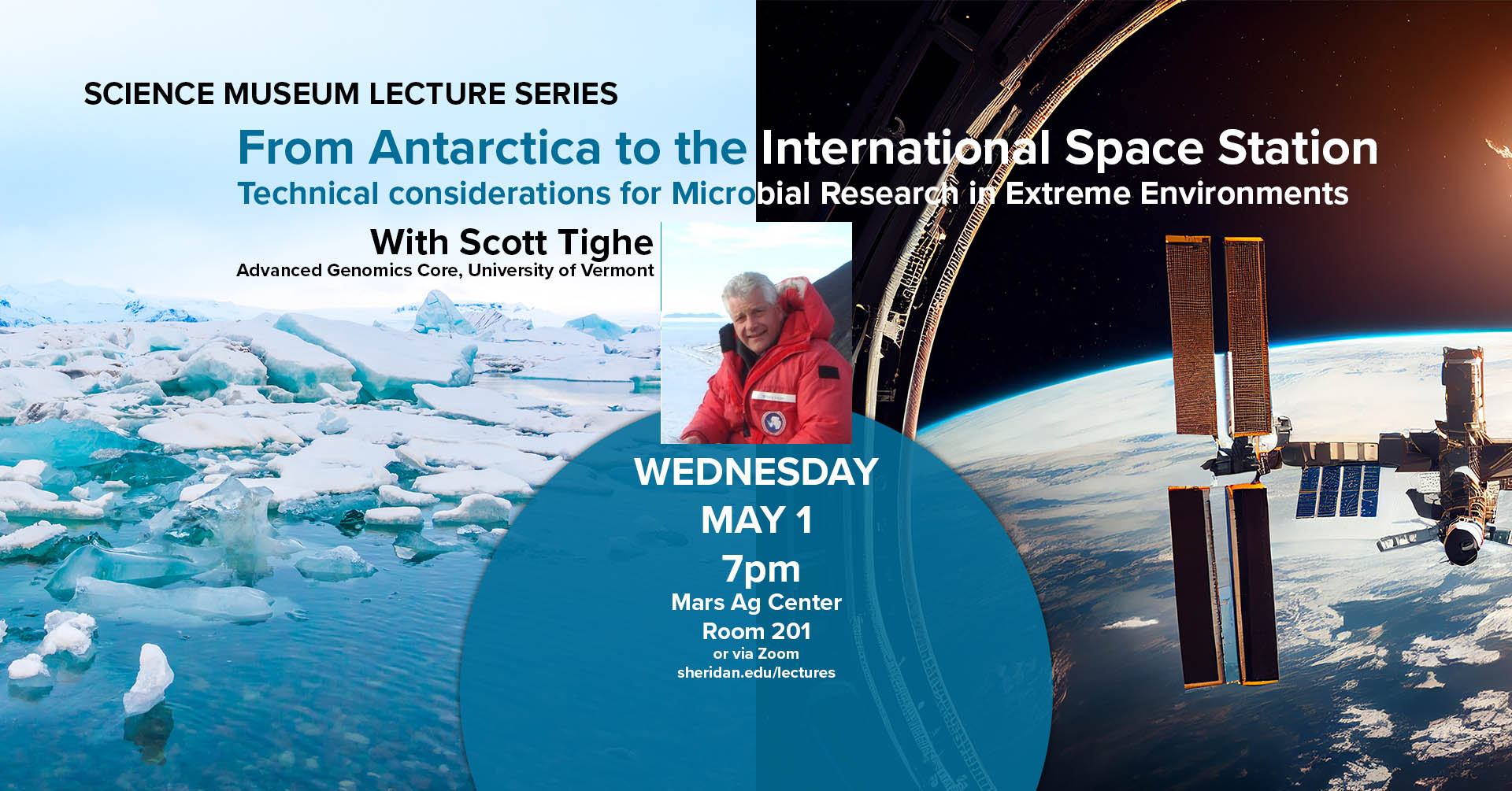
From Antarctica to the International Space Station: Microbial Research in Extreme Environments
With Scott Tighe, Advanced Genomics Core, University of Vermont.
-
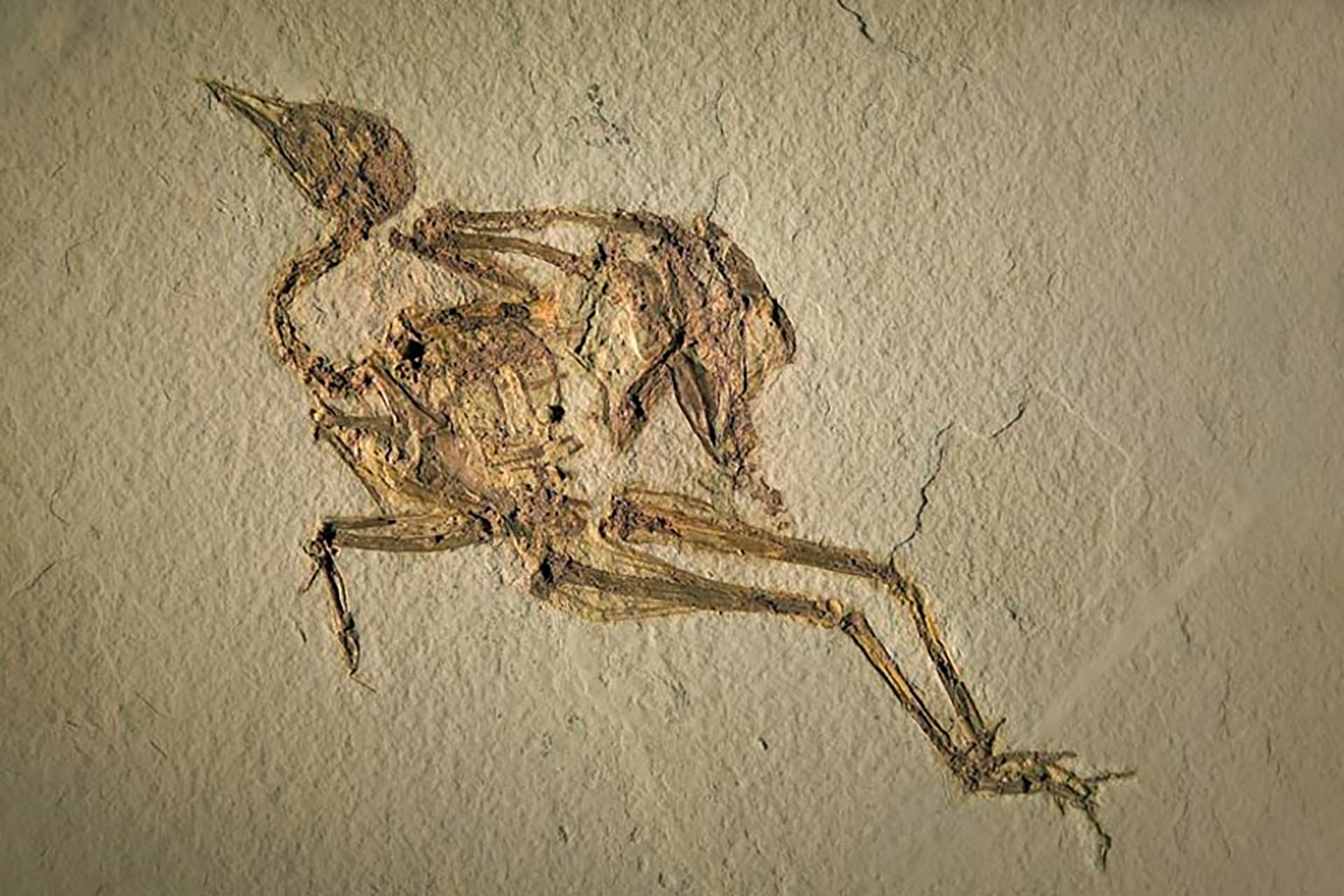
Fossil Birds of Wyoming
With JP Cavigelli, Collections Manager, Tate Geological Museum at Casper College
-
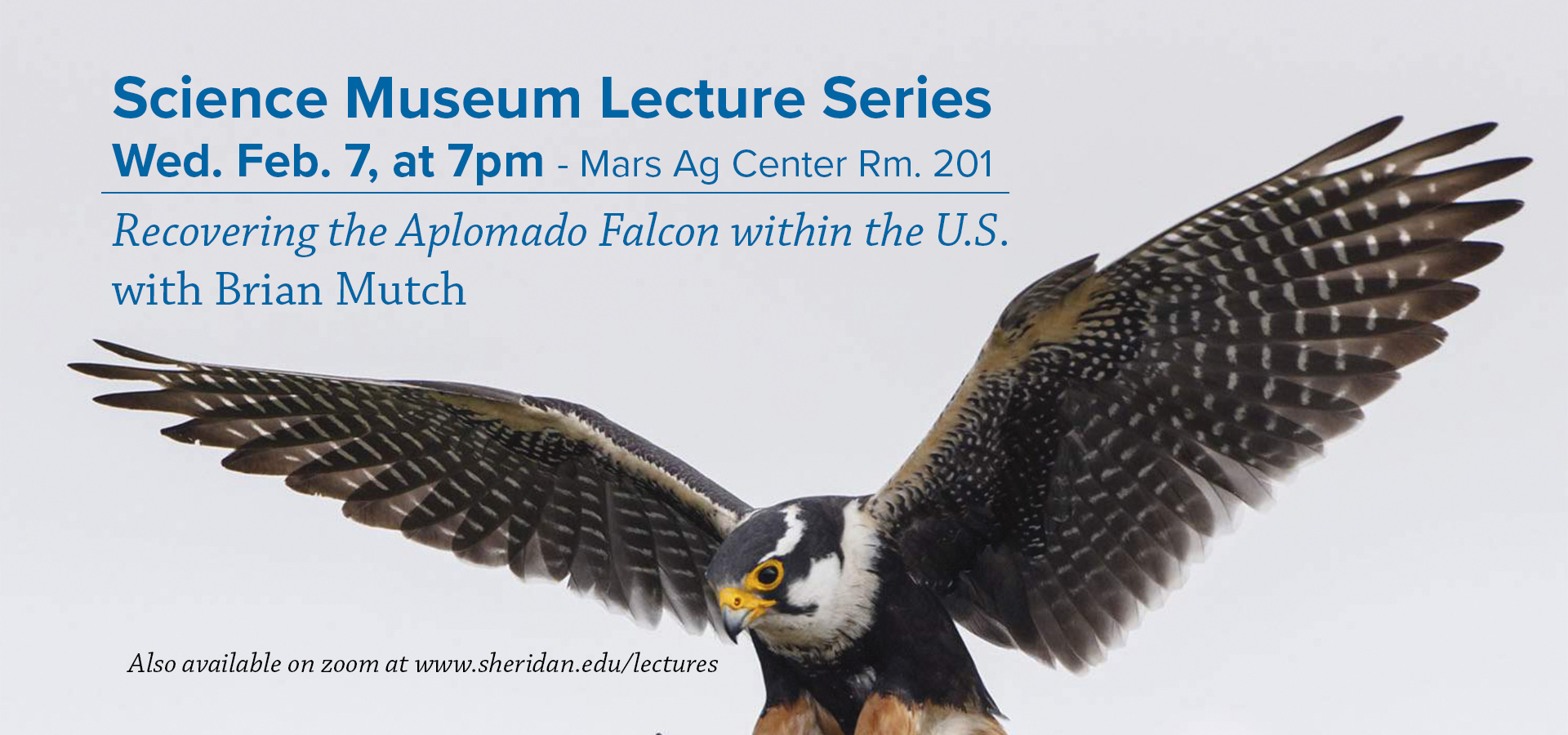
Recovering the Aplomado Falcon within the U.S.
With Brian Mutch, Director, Aplomado Recovery Program, The Peregrine Fund


